Songcatchers
  • Home
  • Programs
  • About Us
  • How You Can Help
  • Have a Listen
  • In The News
  • Contact Us
  • Online Store

Programs

Songcatchers has been bringing music into the lives of hundreds of children and families in the New Rochelle area and beyond for 30+ years. Many claim that their lives have been changed by participation in its various activities.

For the past 14 years Songcatchers has been operating out of the former St. Gabriel's High School Building in the south/west end of New Rochelle. Our programs here are designed to meet the needs of low-income families from this neighborhood in the south/west end of New Rochelle.

We both encourage and welcome the participation of parents and community members. Find out how you can help: donate or volunteer your time! 

The
four core programs offered by Songcatchers are:

Concert Choir

Picture
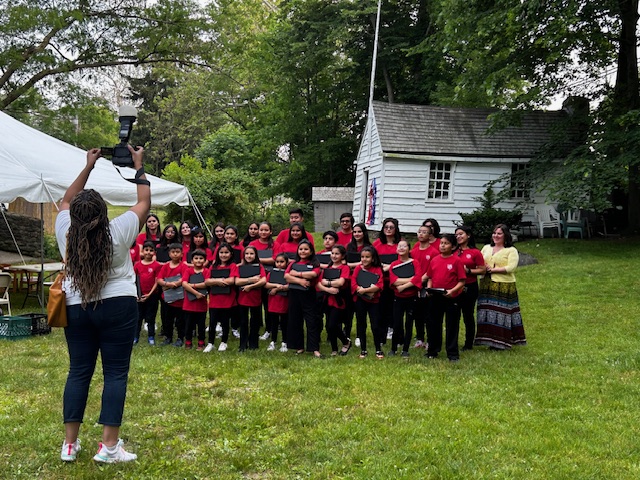
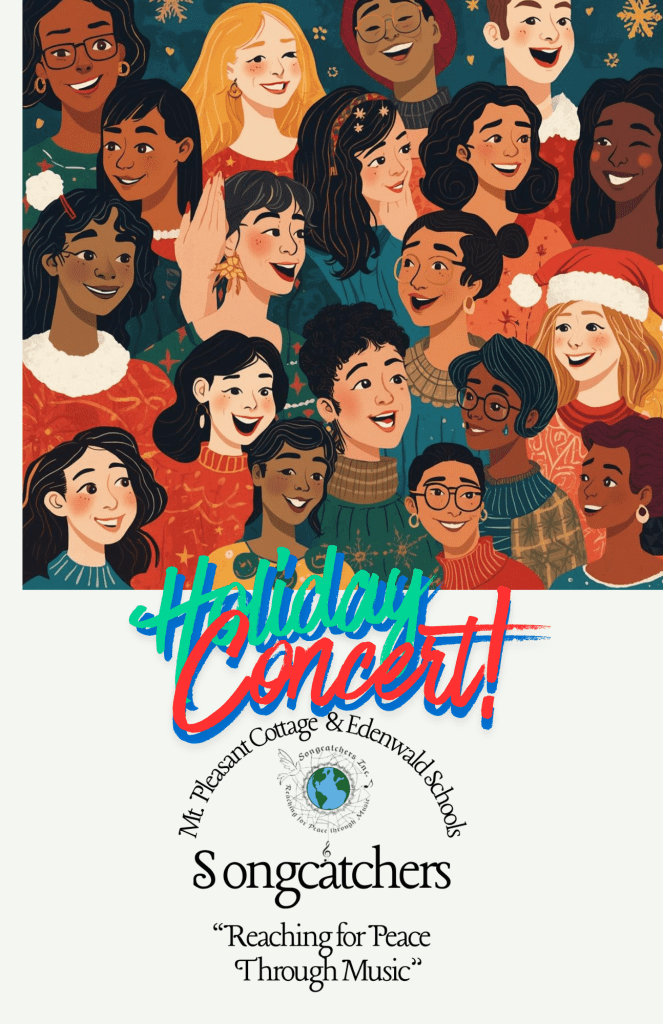
Concert Choir: The Concert Choir is composed of children and staff from camp and the After-School Music Program, along with parents and Board members. The Concert Choir performs regularly throughout the year for civic, county, private, and inter-faith events and is accompanied by an Ensemble comprised of After-School Music Program alums, instructors, and advanced students.  An annual Concert for Peace serves as a "thank you" to the local community as well as a fundraiser with “good will” contributions only.

The Choir has produced 2 CDs, featuring holiday music and songs of peace that have been performed at its concerts. Our repertoire reflects our goal of being peaceful people choosing to make a difference with their lives.


Choir Camp

Picture
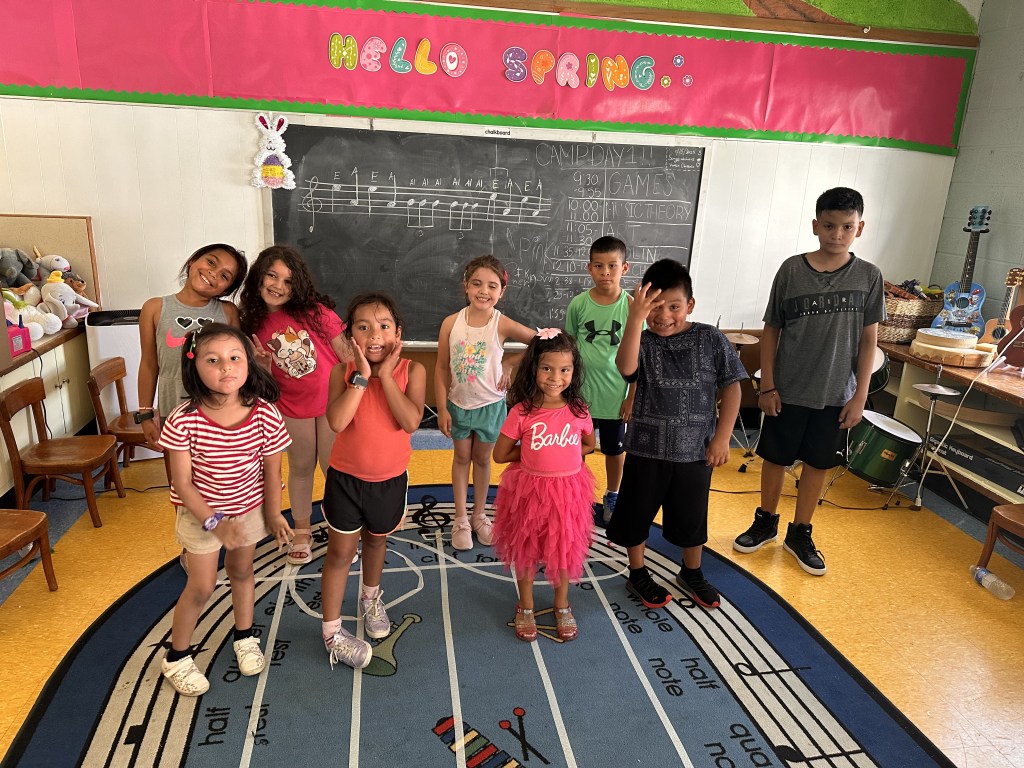
Choir Camp: Choir Camp is a one-week sleepover camp for children ages 7-16. Our members come from New Rochelle, the surrounding communities, and beyond. Together we spend a week of intense music, art, and drama preparation, producing a concert and dramatic musical production. Camp is focused on achieving these goals through mutual respect, team-building, and collaboration. Many counselors have grown with camp since they were young campers and have found leadership skills learned there invaluable in their professional lives.


After School Music Program

Picture
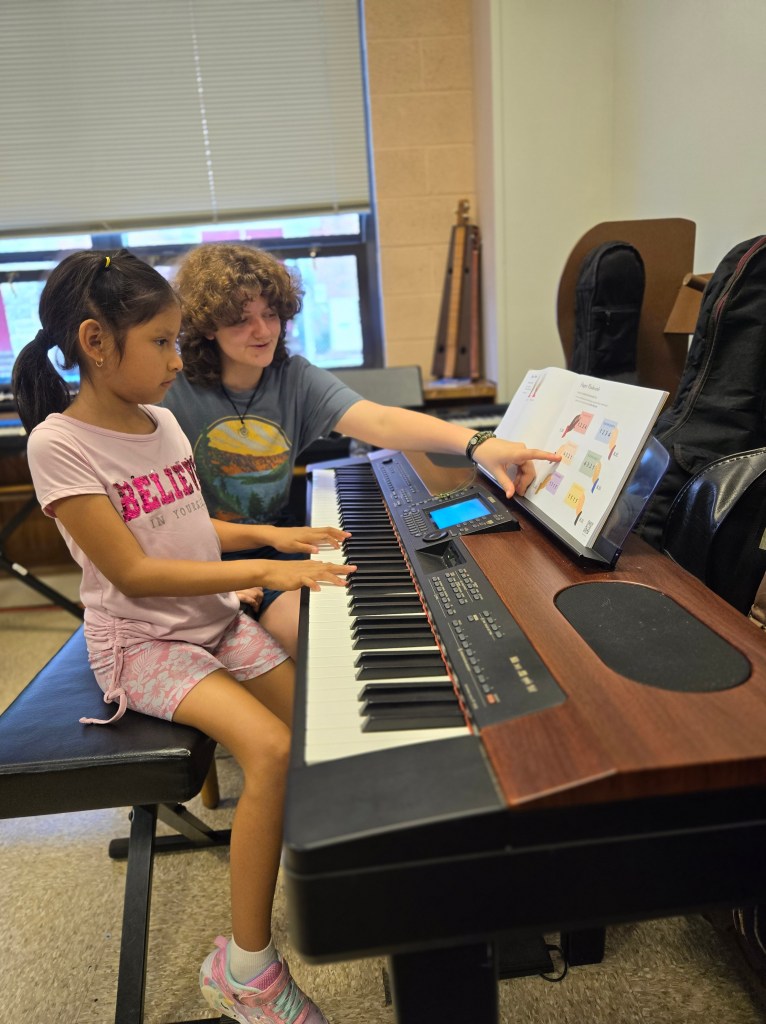
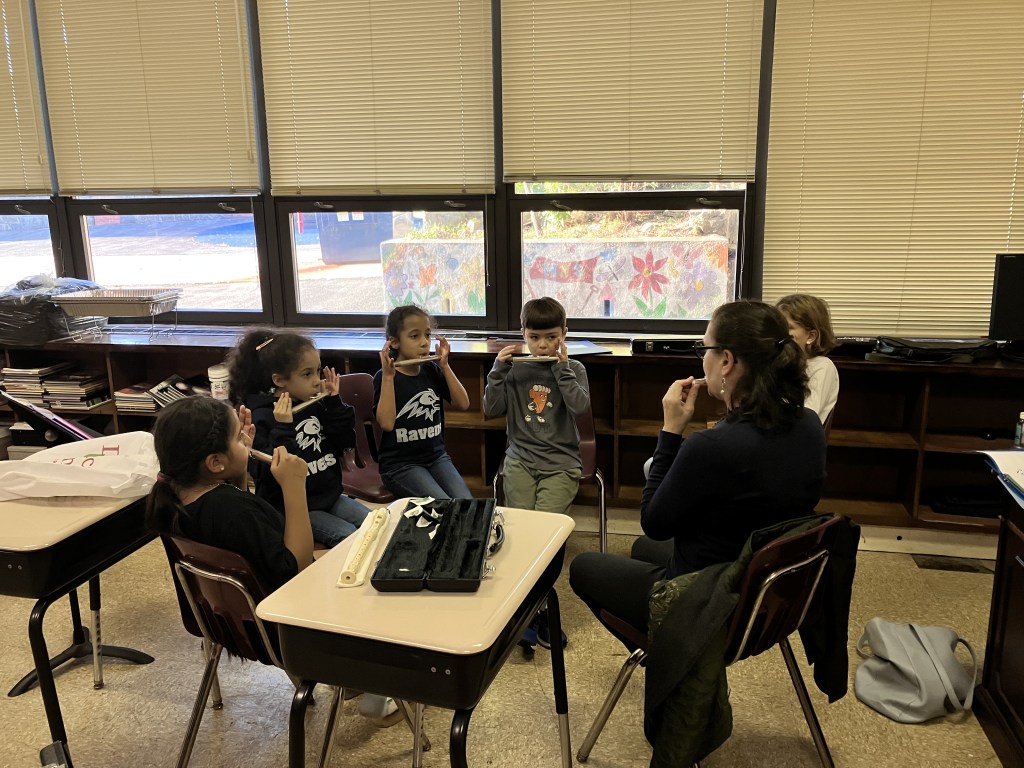
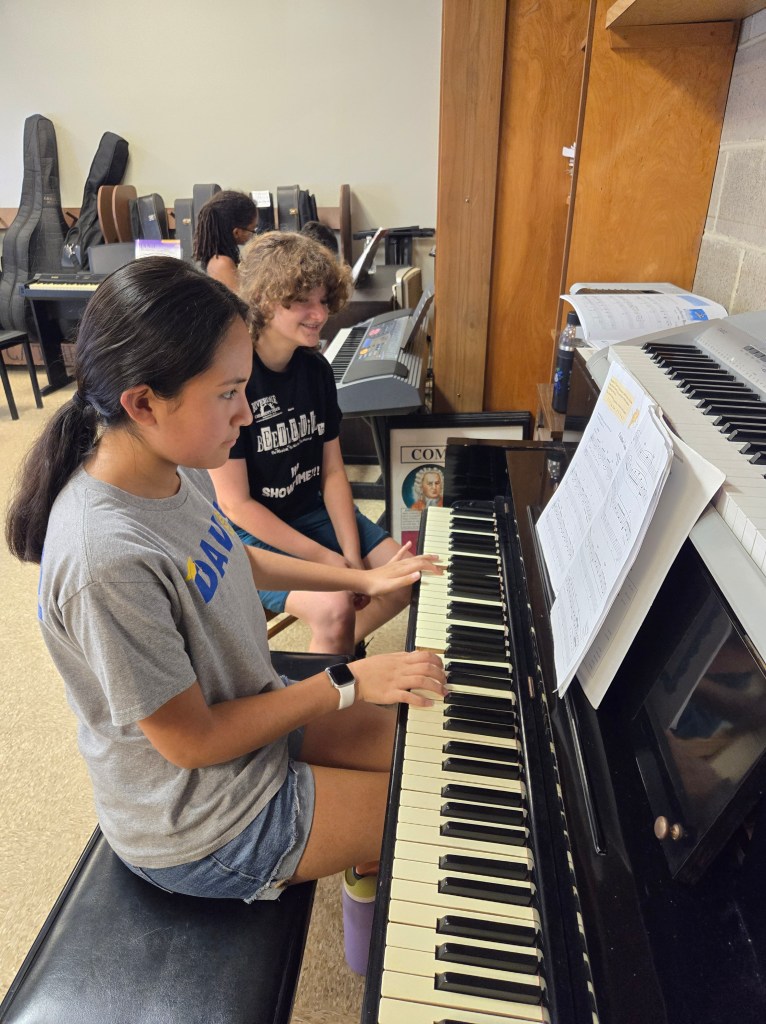
After School Music Program offers instrumental instruction for children ages 7 – 13. The children are taught by high school, college, and community volunteers. The volunteers themselves are then supervised by professional musicians who serve as mentors. More volunteers and mentors are needed. Our current enrollment is over 120 students who receive instruction from 65 volunteers on 12 instruments, art, choir, and dance/drama. There are waiting lists for many instruments. Activities include:

1) weekly lessons with individual evaluation and group recitals;
2) advanced training in Instrument Ensemble; and
3) participation in Songcatchers’ Concert Choir performances.

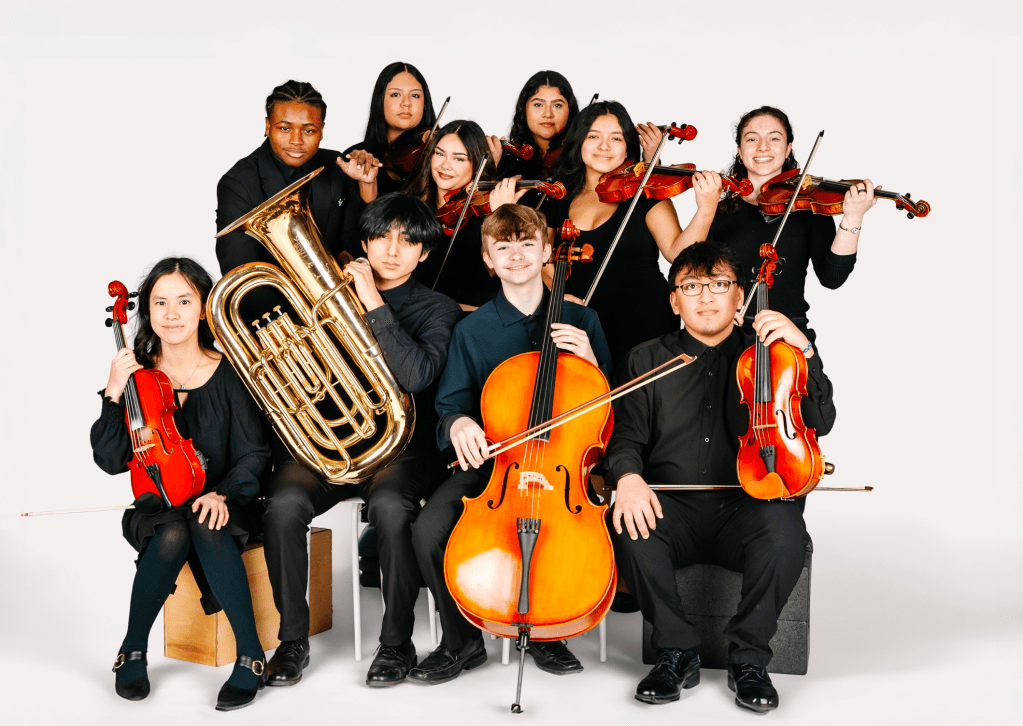
An impressive piece of the program is its ongoing collaboration with the Westchester Chamber Symphony Orchestra. Projects include the Composers of the Future program, now in its tenth year. This program provides 10-13 children the opportunity to compose their own music (working with Orchestra members) which the Orchestra then performs during its annual spring concert. A unique feature which has great potential is the leadership development inherent in our program particularly with our volunteer student instructors.


Early Childhood Music Program at Songcatchers

Picture
Our Early Childhood Music Program for children ages birth-7 years, is our newest venture. It began as Kindermusik® in 2003 as a response to requests from families for music classes for the younger siblings of After School students. This program is offered in the belief that every child is musical, and we strive to nurture that native creativity with activities that foster self-expression and imagination.

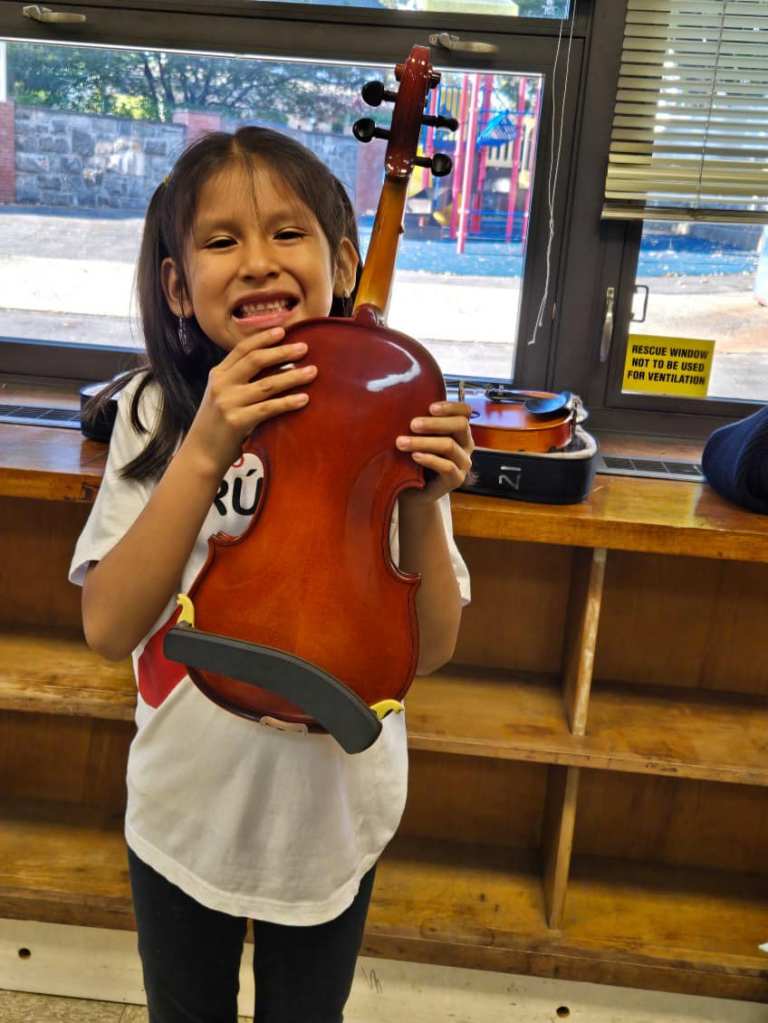
We now reach 45 students through our Early Childhood Music Programs: Musikgarten classes for ages birth-7 years and Early Childhood Violin for students ages 4-6. Unique features of the Early Childhood Music Program are: 1) limited class size; 2) significant parent participation in class; and 3) sequential, age-appropriate instruction leading to music literacy.

Create a free website with Weebly